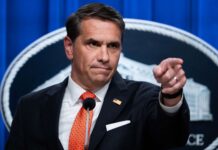
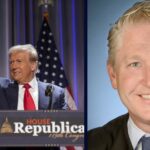
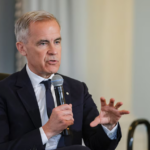
In a move that sent a shockwave through New York City’s public safety apparatus, FDNY Commissioner Robert Tucker tendered his resignation less than 12 hours after Democratic Socialist Zohran Mamdani was declared the winner of the city’s mayoral election. Though officially framed as a routine departure, the timing—and the context—speaks volumes.
Tucker, a prominent Jewish businessman and philanthropist who has led the FDNY through several crises, will step down on December 19, just weeks before Mamdani is sworn in on January 1, 2026. In his resignation letter, Tucker assured outgoing Mayor Eric Adams that he would “ensure an orderly transition,” but gave no public explanation for his exit.
Sources within the department, however, weren’t shy. One FDNY insider told the New York Daily News that Tucker believed he would not mesh with the incoming administration — a diplomatic way of suggesting something deeper: ideological incompatibility.
Mamdani, a self-proclaimed socialist with a history of anti-Israel rhetoric and a refusal to condemn Hamas unequivocally, represents a political agenda far removed from the worldview of New York’s longest-serving first responders. His rise signals not just a shift in policies, but in cultural tone — a shift that some city officials appear unwilling to navigate.
Tucker’s quiet departure may be just the beginning. Deputy Mayor for Public Safety Kaz Daughtry — a former NYPD official and one of Mayor Adams’ key law enforcement allies — is also expected to resign, along with other top aides. The exodus suggests a coming purge or preemptive retreat as Mamdani prepares to build an administration aligned with his activist roots.
Tucker, who will reportedly return to running his private security firm, T&M, is not a political figure by trade. He is, however, deeply embedded in civic and philanthropic circles, and has been recognized by the New York Board of Rabbis and Big Brothers Big Sisters. His exit, while understated, sends a powerful message about the kind of leadership Mamdani’s administration may alienate.
And yet, none of this seems to slow Mamdani’s momentum. His victory speech was defiant, daring President Trump to “turn the volume up,” and portraying himself not just as a mayor-elect, but as the figurehead of a movement. He won 50% of the vote, beating out former Gov. Andrew Cuomo and capitalizing on demographic and economic shifts engineered, in part, by city elites who backed migrant importation as a backdoor growth strategy — flooding the city with cheap labor, raising rents, and expanding consumer bases in the process.
Mamdani’s win was immediately celebrated by far-left and Islamist circles. Pakistani-born commentator Qasim Rashid declared, “America’s Mayor is an American Muslim Immigrant,” while progressive activists hailed the victory as a rejection of the city’s political establishment.
But for those inside City Hall and the institutions that keep the city running — from the firehouses to police precincts — this new era is already prompting quiet exits and deep concern.