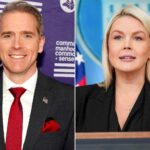
Jon Stewart recently offered a candid assessment of the modern media landscape, suggesting that years of breathless coverage surrounding the Trump–Russia collusion narrative may have ultimately damaged public trust in major news outlets. The longtime comedian and political commentator shared his thoughts during a discussion on his podcast, The Weekly Show, while speaking with MSNBC host Ali Velshi.
During the conversation, Stewart reflected on the relationship between media organizations and their audiences, arguing that credibility is something that must be earned and carefully maintained. In his view, the incentive structures within modern news media may have pushed outlets toward constant hype, a dynamic that can eventually erode the trust they depend on.
“I think within the media, it gets back to — you talked about it earlier — you said, ‘It’s about what you earn with your audience,’” Stewart explained. “And I wonder if, in media, they’ve squandered some of that based on those incentives.”
Stewart pointed to the intense media buildup during President Donald Trump’s first term, particularly surrounding Special Counsel Robert Mueller’s investigation into allegations of collusion between the Trump campaign and Russia. He recalled the wave of anticipation that swept across television panels and headlines as commentators repeatedly framed the investigation as a potentially decisive moment.
“There’s always that rush of, like, ‘Now we’ve got Trump, and the Mueller report, and it’s Mueller time,’ and all these things,” Stewart said. He argued that the media’s “hype machine” created heightened expectations among viewers, similar to previous moments in American media history when major political or military developments were portrayed as imminent turning points.
Velshi agreed with that assessment, describing the dynamic as a kind of “dopamine rush” driven by the constant churn of breaking news coverage. In his view, the relentless push for dramatic developments can create a cycle where audiences expect ever-larger revelations.
“It’s the zero accountability administration.” Jon and @AliVelshi discuss Trump’s style of politics. @MSNOWNews #theweeklyshow #jonstewart #politics pic.twitter.com/Djs7eHXQFh
— The Weekly Show with Jon Stewart (@weeklyshowpod) February 26, 2026
Stewart expanded on the metaphor, comparing the situation to a hamster wheel that spins endlessly but rarely delivers the dramatic results audiences were primed to expect. Over time, he suggested, that pattern can desensitize viewers and contribute to a broader collapse in trust.
“The more you run on that hamster wheel, or gerbil wheel,” Stewart said, “I wonder if that begins to numb your audience to consequence. And is that where the trust has been lost?”
Velshi emphasized that the issue goes beyond coverage of any single political figure. Constantly framing news around the idea that one major revelation will “take Trump down,” he argued, distracts from deeper structural problems facing society and the media itself.
He suggested that journalists should focus more on systemic issues—such as poverty, healthcare, and the incentive structures within the news industry—rather than presenting politics as a nonstop crisis cycle.
“There’s a real danger in associating everything with Trump,” Velshi said. “Trump will go away, and you’ll still have all these problems.”