The Department of Homeland Security funding standoff has now stretched into its seventh week, and the impact is becoming harder to ignore. Thousands of DHS employees remain without pay, even as some lawmakers defend their decision to leave Washington for a scheduled recess.
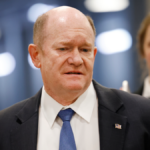
Sen. Chris Coons pushed back when questioned about the optics of Congress stepping away during an ongoing shutdown. Asked how lawmakers could justify a two-week break, Coons rejected the idea that senators are not working. He argued that time spent in their home states meeting constituents and addressing local concerns is a critical part of their responsibilities.
That defense stands in contrast to the reality facing federal workers. While Transportation Security Administration agents are receiving pay due to executive action from President Donald Trump, many other DHS employees, especially civilian and support staff, have gone weeks without a paycheck. As the stalemate continues, the gap between Washington’s schedule and the situation on the ground becomes more visible.
The core dispute remains unchanged. Democrats have insisted on limiting or restructuring funding for Immigration and Customs Enforcement and Customs and Border Protection, tying additional funding to policy changes.
Republicans, led by House Speaker Mike Johnson, have rejected that approach and continue to push for full funding of DHS, including immigration enforcement agencies.
Attempts to break the deadlock have failed so far. The House passed a short-term funding measure along party lines, but Senate Democrats have made clear it will not move forward. In the Senate, procedural sessions have kept Congress technically active, but without producing tangible progress.
Frustration is beginning to surface within Republican ranks as well. Some lawmakers have criticized the decision to proceed with recess while the shutdown continues, arguing that stepping away reduces urgency. Others insist negotiations are ongoing behind closed doors and point to temporary funding measures that are keeping parts of DHS operational.
There are also discussions about a longer-term solution through budget reconciliation, which could fund DHS for multiple years. However, that approach would be complex, time-consuming, and could create divisions within the Republican Party itself.
For now, the situation remains at a standstill. Lawmakers continue to debate strategy and responsibility, while the effects of the shutdown continue to build for federal employees and the agencies that rely on them.