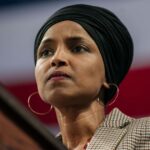
Minnesota Democrat Ilhan Omar is once again facing uncomfortable questions surrounding the massive Feeding Our Future fraud scandal after the nonprofit’s founder suggested the congresswoman likely knew far more about the operation than she has admitted publicly.
Aimee Bock, founder of the now-disgraced nonprofit at the center of what prosecutors describe as a $250 million COVID-era fraud scheme, made the comments during an interview with the New York Post while awaiting sentencing following her March 2025 conviction.
Bock was found guilty on multiple charges, including conspiracy, wire fraud, and bribery, after federal investigators accused her organization of helping restaurant operators and food vendors submit fake reimbursement claims for meals supposedly served to low-income children during the pandemic.
According to prosecutors, enormous sums of taxpayer money were funneled through fraudulent meal programs that often existed largely on paper. Authorities said some sites claimed to feed thousands of children per day despite obvious red flags, fabricated attendance numbers, and operations that physically could not support the claimed meal volumes.
Now Bock says she finds it difficult to believe Omar was unaware of what was happening.
“I struggle to believe that,” Bock said when asked whether the Minnesota congresswoman knew about the fraud.
Bock has continued insisting she did not knowingly participate in criminal wrongdoing, despite the conviction. She argues that her organization attempted to verify reimbursement paperwork and repeatedly raised concerns with state officials during the process.
“The notion that I’m personally responsible for all of it… is so frustrating,” Bock told the Post.
She also pointed to the broader scope of the scandal, noting that dozens of individuals were charged in connection with the fraud scheme, many tied to Minnesota’s Somali community.
The scandal has already become one of the largest pandemic-era fraud cases in the country and has intensified scrutiny over how federal COVID relief programs were administered during the emergency years.
Critics have increasingly focused on pandemic policy changes that dramatically loosened oversight requirements surrounding school meal reimbursements and food distribution programs.
Omar played a direct role in some of those policy efforts.
In 2020, Omar introduced the MEALS Act, legislation designed to expand the Department of Agriculture’s authority to issue waivers for school meal requirements during the COVID crisis. Those waivers relaxed normal compliance standards and oversight mechanisms in order to speed food assistance distribution during lockdowns and school closures.
Supporters argued the changes were necessary during an unprecedented emergency.
Critics now argue the relaxed standards created ideal conditions for large-scale fraud.
Bock claimed Omar’s office was particularly important whenever federal waiver periods approached expiration.
“There had been a couple times early on that there were some gaps,” Bock said. “A waiver would be set to expire on maybe the 15th of a month, and then the renewal didn’t kick in until the 1st.”
According to Bock, Omar would eventually help push for extensions or continuation of the emergency measures.
The allegations stop short of accusing Omar of direct involvement in criminal activity. No evidence has publicly emerged showing the congresswoman participated in the fraud scheme itself. But the comments are likely to intensify political pressure as investigators and critics continue examining how one of the largest COVID fraud operations in the country managed to flourish under the noses of state and federal officials.
Omar has already faced unrelated scrutiny over financial disclosure issues after a 2024 filing reportedly listed her net worth at roughly $30 million before her office later described the figure as an accounting error.
Meanwhile, the Feeding Our Future scandal continues exposing the staggering scale of pandemic-era fraud nationwide, where emergency spending programs rushed out trillions of taxpayer dollars with reduced safeguards and minimal oversight.