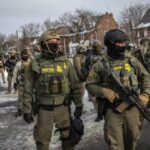
Philadelphia District Attorney Larry Krasner set off a wave of reaction after posting a photo of himself wearing black sunglasses, tipped forward in a gesture that appeared intended as a warning to federal authorities. The visual message was unmistakable: federal law enforcement, proceed with caution in Philadelphia or risk arrest. The image quickly became part of the story itself, drawing as much attention as the legal claim it implied.
To ICE and the National Guard: if you commit crimes in Philadelphia, we will charge you and hold you accountable to the fullest extent of the law. pic.twitter.com/RoHV1N9MEH
— Larry Krasner (@LarryKrasnerDA) January 11, 2026
For critics, the reaction was less about policy and more about presentation. Krasner is 64 years old, a long-serving public official, and a former civil rights attorney. The theatrical tone of the post struck many observers as an attempt to project toughness through symbolism rather than substance. In the age of social media, such gestures are often associated with younger activists or pop-culture figures, not senior prosecutors charged with enforcing the law. The result, for many, was not intimidation but disbelief that a district attorney would lean into performative bravado to make a legal point.
The Right needs to realize what’s being teed up for them, through the stupidity, arrogance and lawlessness of their opponents – a generational chance to defang the mechanisms that allowed for Intentional Blue Misrule for decades.
Federal intervention in the South in the 60’s… https://t.co/4Lyxbqvxsk
— Hampton Prescott (@hampprescott) January 11, 2026
Behind the optics, however, sits a far more serious issue. Krasner’s message appeared to suggest that local authorities in Philadelphia could detain or arrest federal law enforcement officers for carrying out federal immigration laws. That position runs directly into the long-established constitutional reality that federal law supersedes state and local preferences. The United States has confronted this tension before. In the 1960s, when certain states attempted to resist federal mandates, Washington made clear that the union could not function if individual jurisdictions decided which federal laws they would honor. Federal authority ultimately prevailed, not because of politics, but because the constitutional structure demands it.
LMAO, they try so hard to use social media the way this administration does, and it fails every time. https://t.co/NA1SrKAeNb
— Claude Krause (@ClaudesBBQ) January 11, 2026
From that perspective, Krasner’s posture raises questions about how he understands his role. A local prosecutor does not possess the authority to nullify federal law or punish federal agents simply for enforcing it. Disagreement with policy does not translate into legal jurisdiction. Suggesting otherwise risks misleading the public and escalating conflicts that local governments are not empowered to win.
It would be news if Krassner prosecuted an actual criminal, let alone ICE. https://t.co/HJVespfU71
— Mark Hemingway (@Heminator) January 11, 2026
Critics also point to Krasner’s broader record, arguing that his prosecutorial priorities have focused more on confronting law enforcement than on addressing the crime that has plagued Philadelphia in recent years. In that light, the sunglasses photo reads less like a defense of local sovereignty and more like a symbolic gesture aimed at signaling ideological alignment.