The latest clash over Donald Trump’s first impeachment has resurfaced in a new form—this time centered on potential criminal referrals and what they could mean going forward.
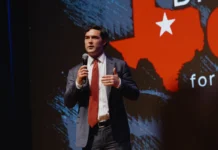
On The Weeknight, co-host Symone Sanders-Townsend reacted sharply to news that Director of National Intelligence Tulsi Gabbard referred former Intelligence Community Inspector General Michael Atkinson and former CIA employee Eric Ciaramella to the Justice Department for possible prosecution.
The referral follows Gabbard’s release of documents earlier in the week that she says show irregularities in how the original whistleblower complaint was handled in 2019.
Sanders-Townsend rejected that framing outright. On-air, she argued the documents do not establish the kind of coordinated misconduct Gabbard suggested. Instead, she described the move as part of a broader pattern, warning that the administration’s actions go beyond revisiting past controversies. In her view, targeting figures tied to the impeachment process signals an effort to reshape how similar complaints or investigations might unfold in the future.
She tied that concern to a separate Justice Department move involving individuals convicted in connection with the January 6 attack. Referencing reports that federal prosecutors asked an appeals court to revisit certain convictions, Sanders-Townsend argued the combined actions point to an attempt to revisit and potentially reverse high-profile legal outcomes tied to Trump’s political and legal history.
The origins of this dispute trace back to the 2019 whistleblower complaint that triggered Trump’s first impeachment.
The complaint centered on a July 2019 phone call with Ukrainian President Volodymyr Zelensky, in which Trump was accused of leveraging military aid to push for an investigation into Hunter Biden’s business dealings. That complaint was deemed credible by Atkinson, leading to a House inquiry and eventual impeachment on charges of abuse of power and obstruction of Congress.
The Democratic-controlled House approved those charges in December 2019. The Senate, then controlled by Republicans, acquitted Trump on both counts in February 2020.
Gabbard’s current actions reopen questions about how that process began, focusing specifically on whether established procedures were followed inside the intelligence community. Her decision to refer both the whistleblower and the inspector general for potential prosecution marks a significant escalation, shifting the matter from political dispute into possible legal consequences.