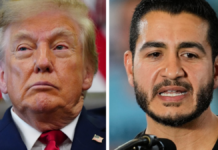
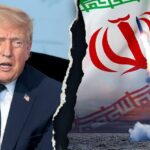
President Trump said Sunday that new military strikes against Iran are highly unlikely if nuclear talks keep moving forward. He made this clear during a phone interview while noting that progress depends on a specific outcome. “It depends on whether or not they sign a very strong agreement,” Trump told reporters. The President emphasized that the current path aims to avoid further conflict through a firm deal.
Trump also highlighted the severe economic troubles facing the Iranian leadership. He pointed to recent data showing massive price hikes within their borders. “They’re a failing nation. It just came out, you saw this year, 301% inflation,” he stated. The President believes these financial struggles make the nation vulnerable to pressure without more fighting. “So it’s highly unlikely I’ll have to,” he went on regarding future military action.
Fresh strikes by the US military recently hit Iranian air defenses, even though peace was called for. Enemy vessels targeted in the Strait of Hormuz led to these attacks on Qeshm Island. Trump described these specific events as “minor strikes” to reporters Friday night. He explained that the US responded quickly to a small threat built by the enemy. “They built a little bit of an anti-aircraft device and we knocked it out in about 15 minutes, maybe five,” Trump said.
The US strike on the air defense system was the first of its kind since the midterm elections last Tuesday. According to the New York Post, negotiations to end the war are ongoing as both sides spoke Saturday. The military action shows a firm stance while talks continue to seek a resolution. Trump noted the strength of the US response in this specific instance. “They’re withering away financially. We’ve hit them militarily. We could finish them off,” he stated.
Qatar’s Prime Minister Mohammed bin Abdulrahman Al Thani has been active in trying to bridge the gap between Washington and Tehran. His office confirmed that Trump has spoken with him recently about the situation. Al Thani spoke at Oxford University about the difficulty of finding a perfect solution. “We will never have a perfect peace deal but you can’t wait for that perfect moment,” he said. He urged leaders to accept a good deal rather than risking failure by waiting too long.
Iranian Foreign Minister Abbas Araghchi said he spoke with 12 foreign ministers in just 48 hours. His goal was to prevent further escalation of the conflict in the region. Bloomberg reported that Iran is now willing to discuss parts of its nuclear program that were previously off the table. This shift suggests a potential breakthrough might be possible soon. The United Kingdom Maritime Trade Operations reported that at least 11 ships were attacked in the area over the past week.
The latest proposal from Qatar involves the US lifting a blockade in the Strait of Hormuz. It also calls for the release of some frozen Iranian assets to help ease tensions. Iran would permit International Atomic Energy Agency inspectors to return in exchange. Once Democrats retake control of Congress in January, they have vowed to adopt a resolution restricting Trump’s ability to wage war on Iran. This political move adds pressure to the ongoing diplomatic efforts. The President remains focused on securing a deal before taking further military steps.
Last Tuesday, Trump previously signaled that he was unlikely to resume the military campaign against Iran until after the midterm elections. Since then, he has conveyed optimism about the progress being made in negotiations. The US military remains ready, but the President sees a better path through diplomacy. The clock is ticking on the potential for a strong agreement. “The answer is highly unlikely it’s going to be necessary,” Trump said of future strikes. The nation watches to see if the deal holds.